A Complete Three Day Hamburg Itinerary for History Buffs
Explore Hamburg’s rich history over a long weekend
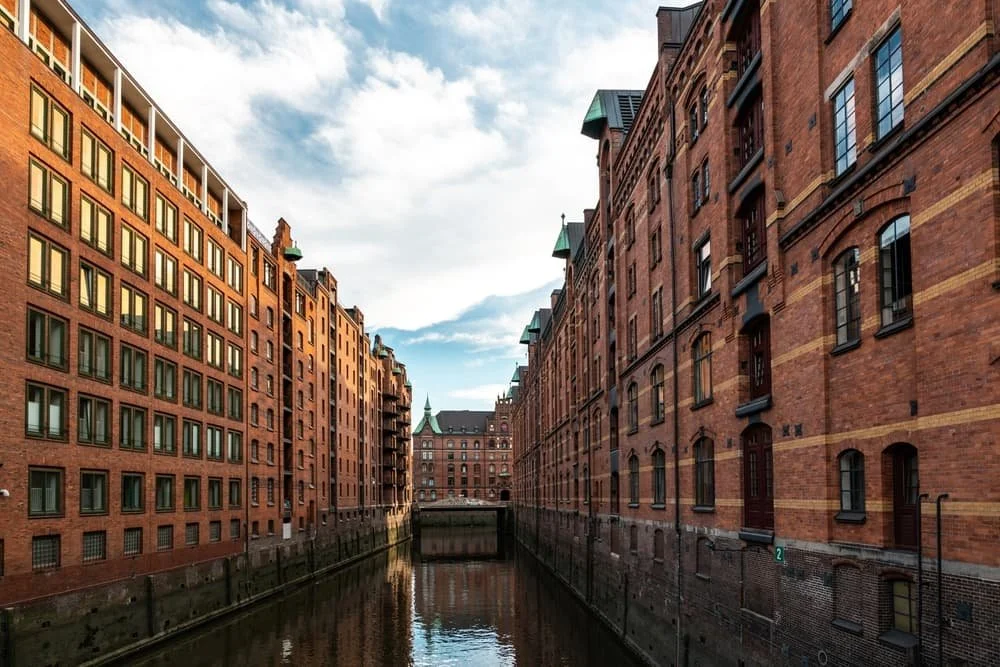
Hamburg wears its history in brick and water. Warehouses rise like fortresses along dark green canals. Church towers double as landmarks and lookout points. Memorials sit quietly in new parks where trains once rolled east. This three day plan strings together the city’s strongest stories so you see medieval trade power, maritime might and the hard chapters of the twentieth century without rushing.
Before you start, pick up a transit pass. The Hamburg CARD covers buses, U and S Bahn and the harbour ferries with generous museum discounts. If you prefer pay‑as‑you‑go, day tickets from the transit authority are simple to use and run until six the next morning, see hvv day tickets.
Day One
Warehouses, Ships and a Skyline View
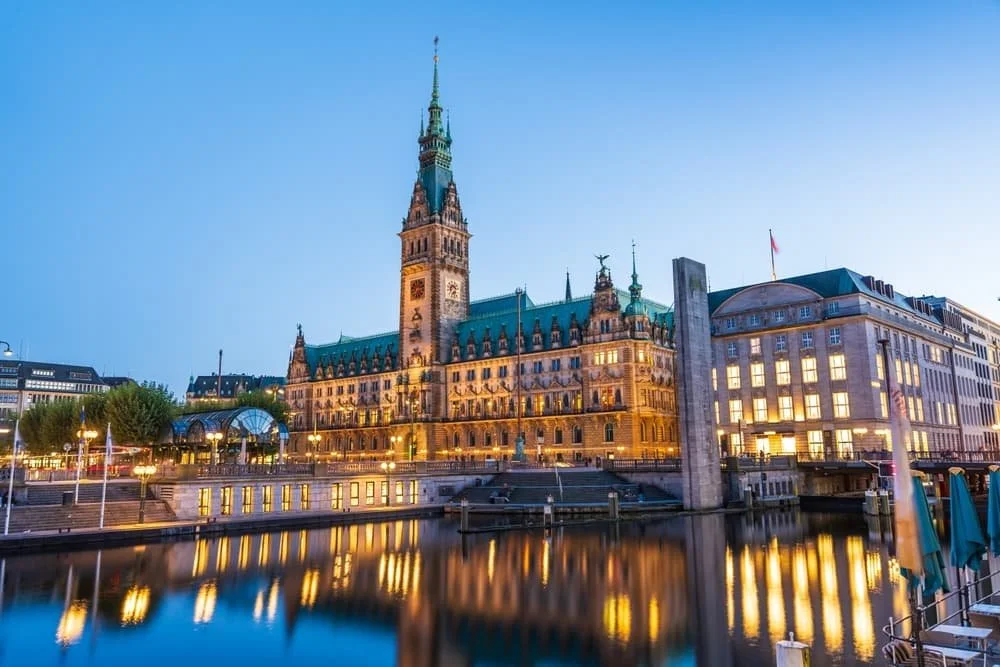
Begin in the Altstadt where Hamburg’s government still sits in a palace of brick and sandstone. Step inside the Neo Renaissance City Hall for a guided tour to hear how a free city of merchants managed fire, plague and the boom years of trade. When you emerge into Rathausmarkt, breakfast is moments away under glazed tiles and art nouveau light at Café Paris.
Walk ten minutes to the red brick canyons of the Speicherstadt. This UNESCO listed district is the world’s largest historic warehouse ensemble. The best primer sits inside one of those storehouses at the Speicherstadt Museum, where coffee sacks, sample tins and spice tools explain how goods were graded and taxed. A few blocks on, the German Customs Museum digs into smuggling tricks and the long arc of tariff history.
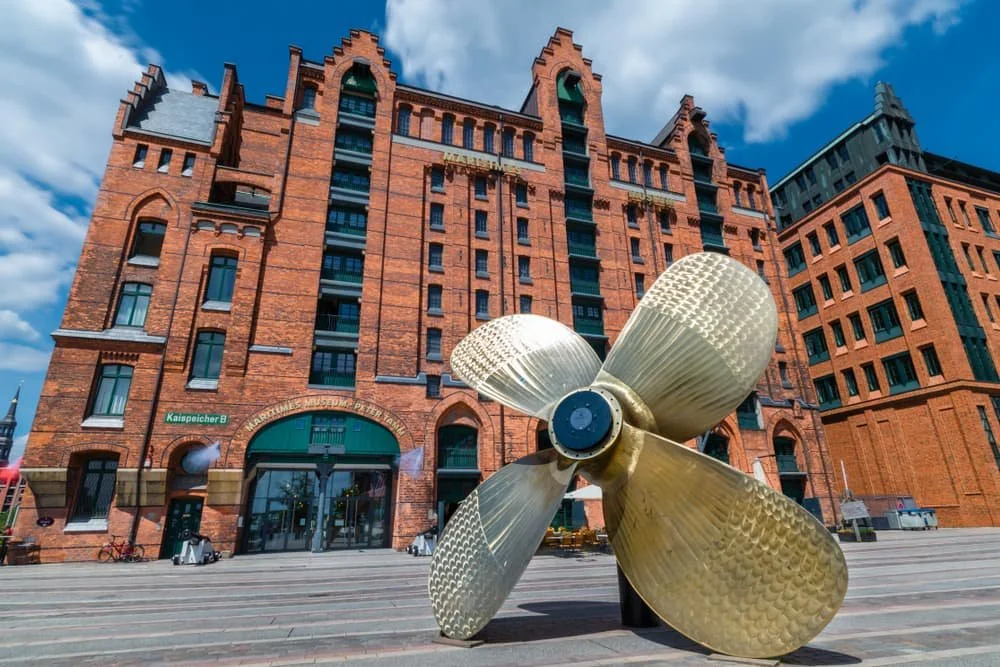
Pause for a roasting‑floor espresso at the atmospheric Speicherstadt Kaffeerösterei where you can watch beans tumbling through vintage machinery. Then cross into HafenCity for deep water history at the International Maritime Museum. Nine decks inside a century‑old warehouse cover everything from Viking charts to containerisation, with model fleets and signal flags to spare.
Late afternoon belongs to the river. Ride the long, glowing escalator up to the public Plaza of the Elbphilharmonie and take in a 360 degree city panorama where old brick meets new glass. If you prefer to skip the queue, book a free timed slot in advance via the official Plaza tickets page. To finish, drift through the port basins on a traditional barge with a narrated harbour tour that threads the narrow Speicherstadt canals when the tide allows. English commentary is offered on selected departures with Barkassen Meyer.
Day Two
Memory Routes and the Working Port
Start at the St Nikolai Memorial where a bombed Gothic tower was left standing as an open sky memorial. A lift ride leads to a viewing platform that frames the city much as aircrew once saw it. The small museum below tells the story of the 1943 firestorm and the destruction of the medieval core.
Follow the canals east into HafenCity to a place where trains once left for ghettos and camps. The open air installation and info pavilion of the Hannoverscher Bahnhof memorial at Lohsepark explains the deportations of Jews, Sinti and Roma from 1940 to 1945. It is a powerful stop and accessible at all times, with staff on select afternoons in season.
For lunch, keep history on the plate opposite Hamburg’s great baroque church. The wood‑panelled Old Commercial Room claims a two century pedigree and is known for Labskaus, the sailors’ staple of corned beef, beetroot and potatoes served with egg and herring.
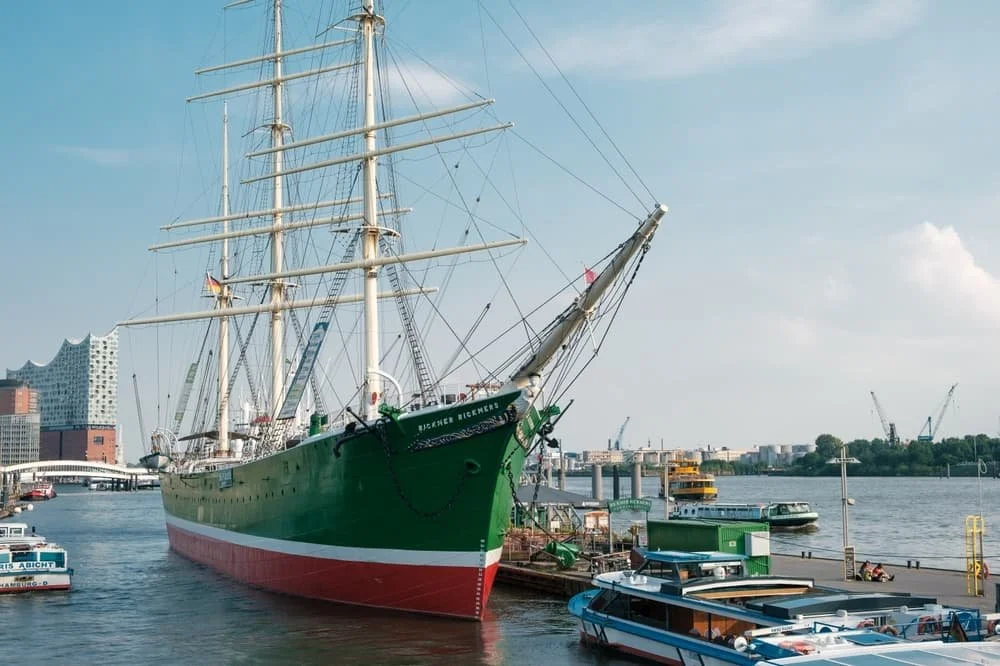
In the afternoon step aboard Cold War steel. The U‑434 submarine is moored by the fish market and opens a maze of torpedo rooms and narrow bunks. If you would rather stay above deck, explore a classic cargo ship instead. The immaculate white freighter Cap San Diego is a working museum and Hamburg icon tied up at the Überseebrücke. A short stroll away, the green‑hulled RICKMER RICKMERS shows life on a nineteenth century tall ship.
As evening falls, climb the tower of St Michaelis Church for a city‑wide dusk view. If you prefer dinner underground with a story, book a table in the vaulted rathskeller beneath City Hall at Parlament.
Day Three
From Neuengamme to Ohlsdorf
Dedicate your final morning to Hamburg’s largest site of remembrance on the southeastern edge of the city. The vast grounds of the Neuengamme Concentration Camp Memorial preserve brick factories, prisoner barracks outlines and a superb documentation centre. Plan at least three hours and check the visitor section for English audio guides and tour dates. The site is reachable by S Bahn and bus and entry is free.
Return to the city for a quieter but equally meaningful walk at Ohlsdorf Cemetery, the world’s largest park cemetery with waterways, chapels and sections dedicated to victims of war and dictatorship. Seek out the Commonwealth plots cared for by the CWGC and the memorials to victims of the 1943 firestorm. Wander slowly. Ohlsdorf is history written in stone and trees.
If you still have energy, drop by the new city quarter again to stitch the threads together. The Speicherstadt and neighbouring Kontorhaus district with the sharp prow of Chilehaus form Hamburg’s UNESCO World Heritage ensemble. Walking those streets after three days of context feels different.
Practical Notes for History Lovers
Hamburg’s big history museum is undergoing a long modernisation and its exhibitions are temporarily closed. If you planned on it, swap in the industrial galleries at the Museum der Arbeit or the regional collections at the Altona Museum.
Most museums open daily, though customs and memorial sites keep shorter hours. Double check times for the International Maritime Museum, German Customs Museum, St Nikolai Memorial and St Michaelis Church on the morning you visit.
Harbour traffic and tides shape boat tours through the narrow UNESCO canals. When water is high enough, operators like Barkassen Meyer switch to low‑slung barges that can slip under the bridges.
Where to Stay
Two grand hotels tell the maritime story in their bones. The snow‑white landmark on the Alster opened in 1909 for ocean‑liner passengers and still looks the part at the Hotel Atlantic Hamburg. A block from the main station, the 1910 lobby and bar at the Reichshof Hamburg are all warm wood and Art Deco lines.
Summary
Three days let you read Hamburg’s past where it happened. City Hall and the Speicherstadt show what trade built. Memorials in church towers and new parks tell who was lost. Ship decks and the Elbphilharmonie Plaza give you the waterline view that shaped it all. Travel light, book a few key time slots, ride the ferries and trains and follow the bricks. The stories will do the rest.
Read Next